
FABRICATION
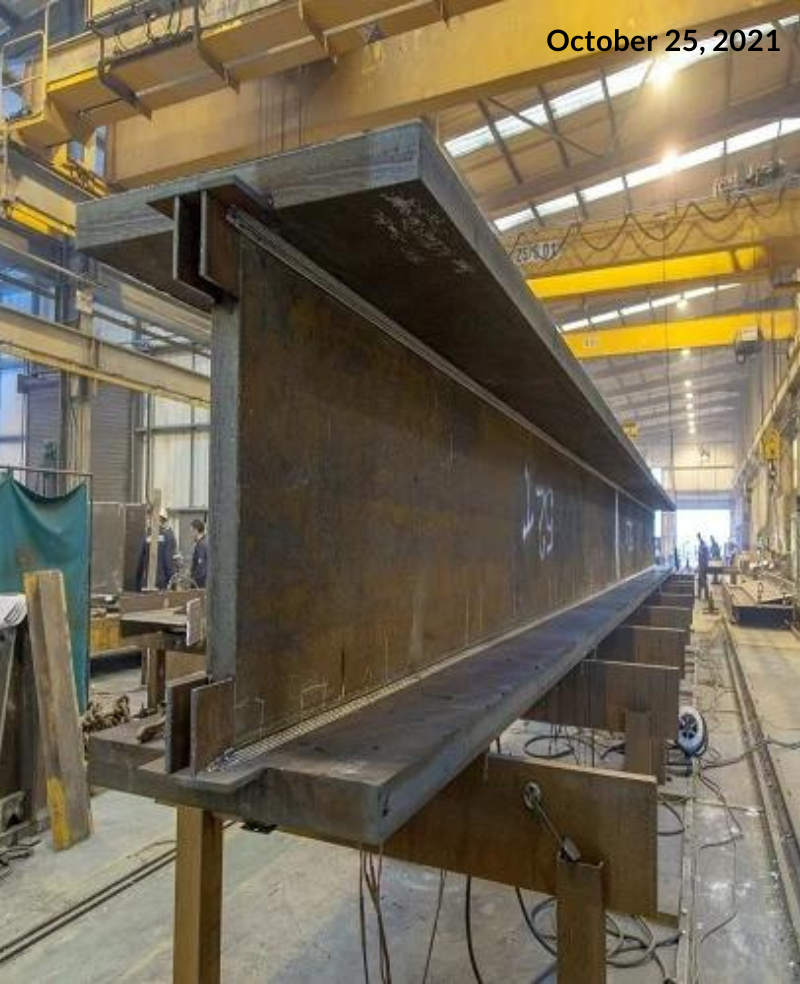
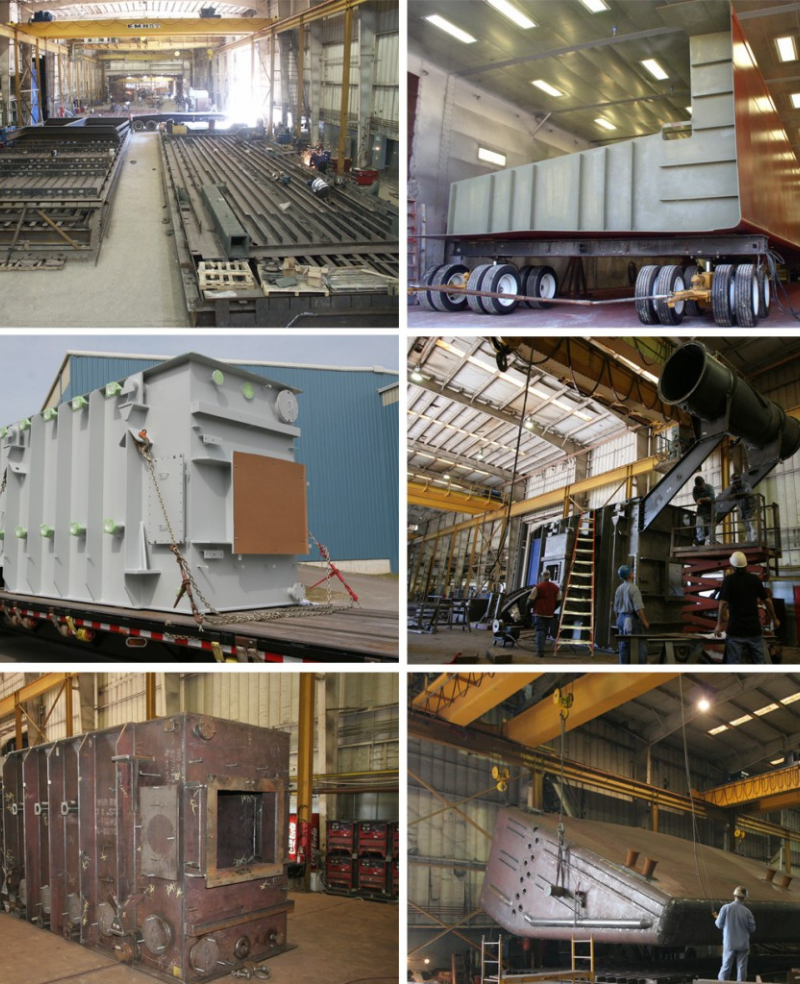
- Heavy fabrication involves building large tanks, steel casing, dolphin caps, industrial steel stacks, and other large-scale projects. On the other hand, light manufacturing is used to create smaller products like household products, medical equipment, restaurant equipment, and small farming applications.
- Heavy fabrications tend to be big and, well, heavy. Tanks and gantries are good examples, but so too are large-scale agricultural machines and equipment and access walkways
- Heavy steel fabrication refers to projects that require more substantial structural elements, greater design considerations and more specialised equipment and skills to deliver heavy fabrication projects
- Common fabrication techniques include cutting, forming, punching, stamping, shearing and welding – you can find out more about these techniques above
- In general, heavy steel fabrications are much larger and heavier than light steel fabrications. Examples of light steel fabrications include hand tools, OEM parts, grating, and small structures whereas examples of heavy steel fabrications are propellers and mining equipment
HEAVY FABRICATION
What they do. Metal fabricators select and prepare metal stock for fabrication to make or repair metal structures such as boilers and pressure vessels. Metal fabricators study blueprints, drawing and specifications to determine job requirements. They shape and bend metal sections and pipes using hand and machine tools.
Fabrication is using processes to create component parts that can be used to make a product or structure, as well as the process of constructing an item from standardised parts. Manufacturing, meanwhile, is the processing of raw materials into a finished product that can be sold to a consumer.
Indeed, the sheer number of metal fabrication applications boggles the mind, but no matter what product is ultimately being created, the process can be summed up with three basic techniques: cutting, bending, and assembling.
Fabrication is defined as taking raw stock material to create an end product. This differs from welding because it covers the entire process of creating a product — from design and cutting to formation and finishing
Shielded Metal Arc Welding (Stick) is the most popular welding process. It is the most versatile and uses the simplest equipment.